What Happens During a Dental Crowns Southgate CA Consultation?
@edwinninf986
October 6, 2026 · 15 min read
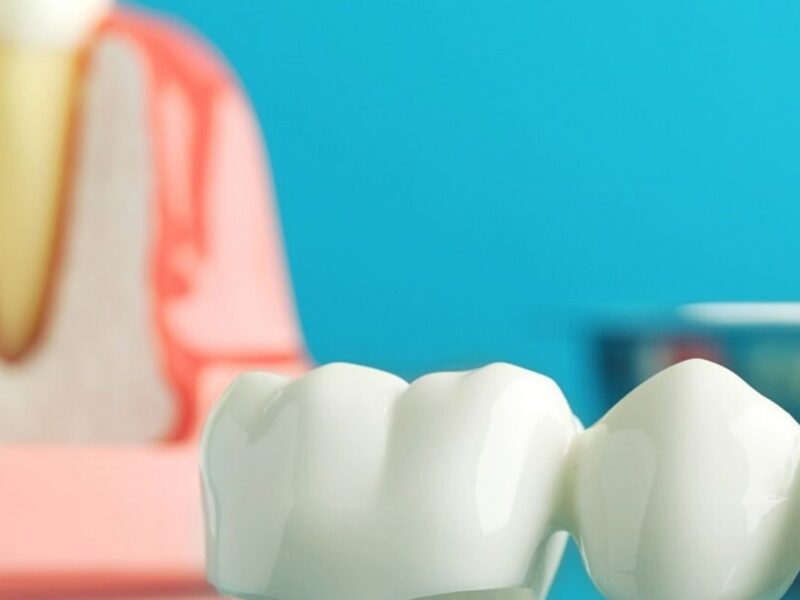
If your dentist has recommended a crown, or you have started looking into Dental Crowns Southgate CA providers on your own, the consultation is the part that usually answers the biggest questions. Do you actually need a crown? Is the tooth saveable? What will it look like? How many visits will it take? How much tooth structure has to be removed? Those concerns are practical, and they matter.
A crown consultation is not just a quick glance and a price quote. A good one is part diagnosis, part treatment planning, and part decision-making. The dentist is trying to understand the tooth in front of them, but also the way that tooth functions in your bite, the condition of the surrounding gums, and whether a crown is the best long-term option. Patients are often surprised by how much of the appointment is about details that do not show up in the mirror.
The process is usually straightforward, but it is more nuanced than people expect. Here is what typically happens, what your dentist is looking for, and what questions are worth asking before you commit.
The first few minutes are usually about the story behind the tooth
Most crown consultations start with conversation, not drilling. Your dentist will want a clear history of what brought you in. Sometimes the reason is obvious, such as a large visible crack or a broken filling. Other times, the issue has been building for years, and the symptoms are vague. Maybe the tooth hurts when you chew on one side. Maybe cold lingers for ten seconds. Maybe a piece of tooth chipped off around an old silver filling. Maybe another dentist told you six months ago that the tooth was weakening, but it was not bothering you at the time.
Those details help the dentist distinguish between a tooth that simply needs reinforcement and one that may also need root canal treatment, gum care, bite adjustment, or even extraction. Pain with pressure can suggest a crack. Sensitivity to cold can point to an irritated nerve. A tooth that used to be root canal treated but now feels loose may raise very different concerns than a tooth with no prior work.
Medical history matters too. If you clench your jaw, grind at night, take medications that cause dry mouth, or have had extensive dental work before, those facts shape the recommendation. Patients sometimes underestimate how relevant these details are. A crown placed on someone with heavy grinding forces may need a different material choice than one placed on a person with a softer bite and minimal wear.
Expect a close clinical exam, not just a quick look
Once the discussion is underway, the dentist examines the tooth and the surrounding area. This is where the consultation becomes more precise. They are not merely checking whether the tooth is broken. They are evaluating whether Dental Crowns Southgate CA enough healthy structure remains to support a crown and whether the foundation under that future crown will be reliable.
The dentist may check for soft spots that suggest active decay, old fillings that are leaking, cracks running across the cusps, gum inflammation near the tooth, and signs that the tooth is taking too much force when you bite. They may tap the tooth, test mobility, look at the contacts between teeth, and compare the suspect tooth with the corresponding one on the other side.
Sometimes what looks like a small surface chip turns out to be a symptom of a deeper structural problem. I have seen cases where a patient came in expecting a simple filling replacement, only for the exam to show that the remaining tooth walls were too thin to hold up under chewing pressure. In those situations, a filling might technically patch the area, but it would not be the strongest long-term repair. That is often when the crown discussion gets serious.
X-rays and images usually do a lot of the heavy lifting
A consultation for Dental Crowns Southgate CA almost always involves some type of imaging if recent, usable images are not already on file. Standard dental x-rays can reveal decay under old restorations, bone support around the tooth, prior root canal treatment, the depth of a cavity, or changes around the root tip that suggest infection.
What x-rays cannot always show well is the full extent of a crack. That is one reason your symptoms and the visual exam matter so much. A cracked tooth can be one of the trickiest diagnoses in restorative dentistry. Some cracks are superficial and harmless. Others extend into deeper tooth structure and can make the prognosis uncertain. The dentist may use magnification, a bright operatory light, special staining, or have you bite on a small tool to help isolate where the pain starts.
Photos and digital scans may also be taken. In many offices, digital scanning has become part of the crown workflow because it helps with planning, records, and communication with the lab. Even if your crown preparation is not done that day, a scan can help document the current condition and support treatment recommendations.
One big question guides the visit: why a crown instead of a filling?
Patients ask this all the time, and they should. Crowns cost more, require more planning, and involve reshaping the tooth. So why choose one?
The answer usually comes down to structural strength. A crown covers and protects the remaining tooth from multiple directions. A filling repairs a specific area, but it does not brace the tooth in the same way. When a tooth has lost a large amount of structure from decay, fracture, or repeated replacement fillings, the risk of future breakage rises.
A dentist may recommend a crown when the tooth has one or more of these problems:
- a large cavity or filling that leaves thin outer walls
- a cracked cusp or visible fracture lines
- a root canal treated tooth that needs reinforcement
- significant wear from grinding or acid erosion
- a tooth whose shape or function cannot be predictably restored with a filling alone
That does not mean every damaged tooth needs a crown. Conservative dentistry still matters. If a tooth can be restored predictably with a bonded filling or an onlay, many dentists will discuss those options. The consultation is where that judgment call gets made. It is rarely one-size-fits-all.
The dentist also evaluates the foundation under the crown
A crown is only as good as the tooth beneath it. That sounds simple, but it is one of the most important parts of the consultation. If decay extends too far below the gumline, if the tooth has a vertical root fracture, or if there is not enough healthy tooth left to hold a crown securely, the plan may need to change.
Sometimes a tooth needs a buildup first. A buildup is a restorative core placed to replace missing internal tooth structure so the future crown has something solid to sit on. In some cases, a post may be discussed, especially if the tooth has had root canal treatment and little natural structure remains above the gumline. This is not automatic. Posts are useful in certain situations, but they are not a cure-all, and they do not strengthen every tooth simply by being present. A thoughtful dentist will explain whether one is actually necessary.
The gum and bone around the tooth also matter. If there is active periodontal disease, bleeding gums, or deep pocketing around that area, those issues may need attention first. A crown margin placed in unhealthy tissue is harder to maintain and less predictable over time.
Bite analysis matters more than most patients realize
One of the reasons crown consultations can feel more involved than expected is that the dentist is not only looking at the damaged tooth. They are looking at how it functions in the whole mouth.
A molar that carries heavy biting forces needs to survive a very different workload than a front tooth that mainly handles incising and appearance. If you grind at night, clench during the day, or have uneven bite contacts, the crown design and material selection can change significantly.
Dentists often look for flattened chewing surfaces, scalloped tongue edges, cheek biting, fractured old fillings, and wear facets on opposing teeth. Those findings suggest ongoing overload. In practical terms, that may influence whether your dentist recommends a stronger ceramic, a full gold crown in a back area, a zirconia crown, or a night guard after treatment.
This part of the consultation often separates a short-term fix from a durable one. A crown can be beautifully made and still fail early if the bite is ignored.
Material choices may come up during the consultation
Patients often arrive assuming a crown is just a crown. It is not. Material selection affects appearance, strength, thickness requirements, wear on opposing teeth, and sometimes cost.
Porcelain-fused-to-metal crowns are still used in some situations. All-ceramic and zirconia crowns are very common now, especially because they can provide good strength with a more natural appearance. The right choice depends on where the tooth sits, how much room there is between the upper and lower teeth, whether you grind, and how visible the crown will be when you smile.
A front tooth crown usually demands close attention to shade, translucency, and symmetry with neighboring teeth. A back molar crown may prioritize durability and contour under heavy function. The consultation is where these trade-offs should be explained clearly, not rushed past.
If esthetics are a major concern, bring that up early. Patients who have strong preferences about whiteness, shape, or matching adjacent dental work do better when those expectations are discussed from the start. Shade matching can be straightforward in some mouths and surprisingly tricky in others, especially when surrounding teeth have varying levels of wear, old bonding, or previous whitening.
If the tooth is questionable, you may hear about limits and risks
Not every crown recommendation comes with a guarantee of perfect long-term success. Experienced dentists are usually careful not to oversell certainty where it does not exist. Some teeth sit in a gray zone.
A heavily restored tooth with a deep crack may respond well after crowning and last many years. Or it may continue to develop symptoms and eventually need root canal treatment. A tooth with very little remaining structure may still be restorable, but the prognosis might be guarded compared with a stronger tooth. Good treatment planning includes those honest conversations.
This is especially true with cracked teeth. Many patients hope the consultation will produce a simple yes-or-no answer. Sometimes it does. Sometimes the more accurate answer is that the crown is the best attempt to preserve the tooth, but the nerve may still declare itself later. That kind of transparency is not bad news. It is careful dentistry.
The appointment often includes financial and scheduling planning
At some point, the conversation turns practical. How many visits are needed? Will insurance help? Is a temporary crown required? Can the office do same-day crowns, or will the final restoration come from a lab?
Traditional crown treatment often takes two visits. The first visit includes preparing the tooth, taking the impression or digital scan, and placing a temporary crown. The second visit is for delivery of the final crown. Some offices can complete crowns in one day using in-office milling systems, but not every case is suited to that approach.
The consultation is also the right time to ask about fees, insurance estimates, and what happens if additional treatment becomes necessary. For example, if the dentist suspects the tooth may need root canal treatment, it is better to understand that possibility beforehand than to be surprised later.
Patients in South Gate often compare offices based on price alone, which is understandable, but incomplete. Two crown consultations can sound similar while reflecting very different levels of planning, materials, and follow-up care. A lower fee is not automatically a worse choice, but it should come with enough information for you to understand what is included.
Questions worth asking before you agree to treatment
A strong consultation leaves room for patient questions. If you are comparing Dental Crowns Southgate CA options or simply want to feel more confident in the plan, a few practical questions can clarify a lot:
- Why is a crown better for this tooth than a filling or onlay?
- How much healthy tooth structure is left?
- Is there any sign I might also need a root canal?
- What crown material do you recommend for my bite and why?
- Will I need a night guard after treatment?
Those questions are not confrontational. They are the kind of questions informed patients ask, and a good dentist should be able to answer them clearly.
Sometimes treatment happens the same day, but often it does not
A consultation can be purely diagnostic, or it can flow right into treatment if time allows and the case is clear. If the tooth is badly cracked, has a broken cusp, or is causing significant discomfort, some offices may offer same-day preparation. In other cases, especially when the diagnosis is less straightforward, the dentist may prefer to gather records first and schedule the crown appointment separately.
There are good reasons for that. Some teeth benefit from watchful evaluation, additional imaging, or referral to a specialist before being crowned. For instance, if symptoms suggest the nerve is unstable, the dentist may want to explain the possibility of needing endodontic treatment either before or after the crown. If gum tissue is inflamed, a short delay may help produce a better-fitting final result.
From the patient side, there is also value in having a little time to think. A crown is common treatment, but it is still a meaningful restoration. You should understand what is being proposed and why.
What a temporary crown discussion can reveal
If your treatment will involve a temporary crown, the dentist may explain how that phase works during the consultation. That conversation tells you a lot about the office's approach to detail. Temporaries are not just placeholders. They protect the prepared tooth, maintain spacing, support gum tissue shape, and let the patient function while the final crown is being made.
A poorly fitting temporary can lead to gum irritation, sensitivity, or shifting contacts. A good one makes the waiting period far smoother. During consultation, it is reasonable to ask how long the temporary will be worn, what foods to avoid, and what to do if it comes loose. These details sound minor until you are the person trying to chew on one side for two weeks.
Front teeth and back teeth are different conversations
Not all crown consultations feel the same because not all teeth ask for the same priorities. A front tooth consultation tends to focus more on cosmetics, edge position, shade, and how the crown will look in different lighting. A back tooth consultation leans more heavily into load, fracture resistance, and occlusal design.
That difference matters. A patient replacing an old crown on an upper front tooth may spend more time discussing photographs, smile line, and translucency than someone restoring a lower molar with a fractured filling. Neither case is more important, but the consultation should reflect the actual demands of the tooth involved.
This is another reason generic pricing or overly fast recommendations can be misleading. Crowns are similar in concept, but highly variable in execution.
What you should leave the consultation understanding
By the end of a well-run crown consultation, you should know what is wrong with the tooth, why a crown is being recommended, what alternatives exist, and what risks or limitations apply in your specific case. You should also have a basic sense of timeline, material choice, and expected next steps.
You do not need a lecture filled with jargon. You do need clarity. If the explanation feels vague, if no one addressed the condition of the tooth under the old filling, or if the bite and surrounding gum health were barely discussed, it is fair to ask for more detail.
Dental crowns are routine, but they are not casual. The best consultations reflect that. They balance efficiency with careful diagnosis, and they treat the crown not as a product to sell, but as one part of preserving a tooth that still has a worthwhile future.
For patients searching for Dental Crowns Southgate CA, that is the standard worth looking for. A thorough consultation should leave you better informed, not pressured. It should answer not only how the crown will be made, but whether it is truly the right choice for that tooth, in that mouth, at that moment. That is where good crown treatment starts.
Simple Dental South Gate
Address: 8617 California Ave, South Gate, CA 90280
Phone number: +13236896118
FAQ About Dental Crowns Southgate CA
How much do crowns cost per tooth?
In the United States, a single dental crown typically costs between $800 and $2,500 per tooth without insurance. The ultimate out-of-pocket price depends heavily on the crown material, the location of the tooth, and whether you have dental insurance coverage.
What is the downside of crowns on teeth?
The primary downside of a dental crown is that the procedure permanently removes natural tooth enamel to shape the tooth for the cap.
Why do dentists push for crowns?
Dentists recommend crowns because a large filling cannot provide enough strength when a tooth loses a major portion of its structure or faces heavy chewing pressure.