Dental Crowns Southgate CA: Understanding Your Treatment Options
@edwinninf986
October 6, 2026 · 14 min read
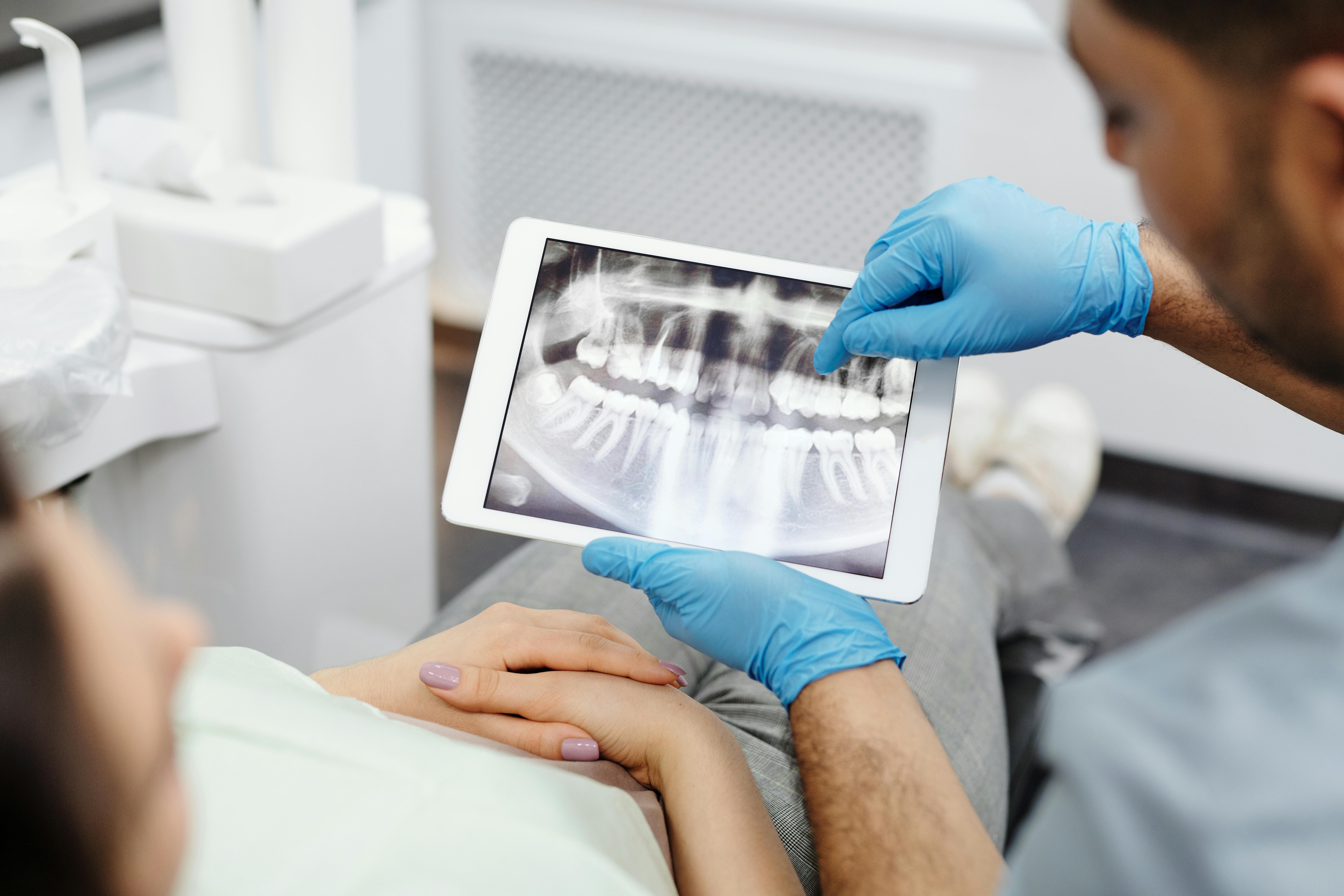
A dental crown is one of those treatments people often hear about long before they actually need one. It sounds simple enough, a cap placed over a tooth, but the decision is rarely that basic in real life. The condition of the tooth, how much healthy structure remains, the bite, the location in the mouth, the material used, the cost, and the long-term outlook all matter. For patients researching Dental Crowns Southgate CA, the most helpful starting point is not just what a crown is, but why a dentist recommends one in the first place.
Crowns are meant to restore teeth that are too damaged for a straightforward filling but not so compromised that they must be removed. In practice, that middle ground covers a lot of cases. A tooth may have a crack that keeps spreading. It may have had such a large filling for so many years that very little original tooth remains. It may have gone through root canal treatment and become more brittle over time. In all of those situations, the crown acts as protection, reinforcement, and a way to restore shape and function.
Patients are often surprised to learn that two teeth can both need crowns for completely different reasons. One person might need a crown on a molar after years of grinding. Another might need one on a front tooth after trauma, discoloration, or a fracture. The treatment name is the same, but the planning behind it is not.
What a crown actually does
A crown covers the visible part of the tooth above the gumline. It is custom-made to fit over the prepared tooth and is cemented into place. Once seated properly, it takes on the role of the outer shell of the tooth, helping distribute biting forces and reducing the risk of further breakdown.
That matters more than many people realize. A compromised tooth rarely fails all at once. It usually weakens gradually. A small crack deepens. A worn corner chips. An old filling leaks and recurrent decay forms underneath. By the time pain appears, the problem is often larger than it first seemed. A well-timed crown can interrupt that progression.
Crowns also restore anatomy. When a tooth has lost too much structure, even a carefully placed filling may not recreate the contours needed for chewing, flossing, and maintaining gum health. A crown can reestablish contact with the neighboring teeth and proper alignment with the opposing tooth. That affects comfort, function, and the health of the surrounding tissues.
When a dentist may recommend a crown
Some recommendations are obvious. If a tooth breaks and half the chewing surface is gone, most patients understand why a crown is needed. Other situations feel less intuitive. A tooth can still look mostly intact in the mirror and yet be a poor candidate for another filling.
Dentists usually look at how much tooth remains, where the damage sits, and whether the remaining walls are strong enough to hold up under pressure. A heavily restored molar is a common example. If a filling occupies a large portion of the biting surface and extends between cusps, those cusps can flex under chewing forces. Over time, that flexing can lead to cracks. Covering the tooth with a crown helps bind and protect what remains.
Root canal-treated teeth are another frequent category. Not every root canal tooth needs a crown, especially some front teeth under lighter forces, but many back teeth do. Once the inner portion of the tooth has been treated and substantial structure has been lost, the risk of fracture goes up. A crown often improves the tooth’s chances of lasting.
There are also cosmetic and functional reasons. A crown may be used to improve the shape of a severely worn tooth, mask deep discoloration that other treatments cannot correct, or cover a misshapen tooth when more conservative options will not hold up well.
The different crown materials, and why the choice matters
This is the part many patients focus on first, and understandably so. Material affects appearance, strength, cost, and how much tooth must be reshaped.
Porcelain or ceramic crowns are popular because they can look very natural, especially in visible areas. They reflect light more like enamel than metal-based restorations do. On front teeth, that can make a meaningful difference. Modern ceramics have improved significantly in strength compared with older versions, but not all ceramics behave the same way. Some prioritize esthetics, while others are chosen for durability.
Zirconia has become especially common, particularly for back teeth. It is strong, often a good option for patients with heavy bite forces, and can be made to look quite natural, though highly esthetic front-tooth work still requires careful shade and translucency planning. In many practices, zirconia has reduced the need for metal-based crowns in posterior areas.
Porcelain-fused-to-metal crowns, often called PFM crowns, were the standard for many years. They combine a metal substructure with a porcelain exterior. They can work well, but one drawback is that the underlying metal may show as a dark line near the gum margin over time, especially if the gums recede. Some patients also notice that they are not quite as lifelike as all-ceramic options.
Full metal crowns, often made from gold-colored or other high noble alloys, remain excellent restorations from a purely functional standpoint. They are durable, kind to opposing teeth, and often require less removal of tooth structure. But their appearance limits where most people want them placed. It is not unusual for an older patient to still have a metal crown that has served reliably for decades.
The best material is not the one with the best marketing. It is the one that fits the tooth’s job. A second molar that absorbs heavy chewing forces has different demands than an upper central incisor that sits at the center of the smile.
Why location in the mouth changes the decision
Front teeth and back teeth live very different lives.
Front teeth are seen when you smile, talk, and laugh, so esthetics are a major concern. Small mismatches in shape, color, or translucency are more noticeable here. The dentist and lab often spend more time on shade selection for front crowns, sometimes matching not only the tooth color but the way light passes through the incisal edge. A crown on a front tooth should also account for lip line, gum symmetry, and neighboring teeth that may have natural variations.
Back teeth are less visible but carry far greater force. If you clench or grind at night, those forces can be intense. A material that looks beautiful under soft operatory light may not be the best choice if it must withstand years of heavy loading. In those cases, strength and crown design become especially important.
Bite patterns matter too. Someone with a deep bite may place unusual stress on front teeth. Someone missing a neighboring tooth may overload the one remaining tooth. This is why the same crown material that works well for one patient may not be ideal for another.
What the crown process usually looks like
The treatment itself is usually straightforward, though the details vary by office and by case. At the preparation visit, the tooth is evaluated and numbed. Any decay, weak filling material, or unsupported tooth structure is removed. If the tooth lacks enough solid foundation, the dentist may place a build-up before shaping the tooth for the crown.
That preparation removes a measured amount of enamel and dentin to create room for the final material. After that, an impression or digital scan is taken so the lab can fabricate the crown. A temporary crown is typically placed if the final crown will be made off-site.
Temporary crowns do more than fill space. They protect the prepared tooth, help maintain gum health, and allow basic function while the permanent crown is being made. They are not as strong as final crowns, so patients are usually advised to avoid sticky foods and chewing ice on that side.
At the delivery visit, the temporary is removed and the final crown is tried in. The dentist checks the fit, the contact with adjacent teeth, the bite, and the appearance. Small adjustments are common. Once everything looks and feels right, the crown is cemented or bonded into place.
In some offices, same-day crowns are available using in-house digital scanning and milling. These can be convenient because they reduce the process to one visit. That said, convenience is only one factor. Some cases are excellent candidates for same-day treatment, while others benefit from the detail and customization of a skilled lab.
Questions worth asking before you commit
A short conversation before treatment often prevents a lot of frustration later. If you are exploring Dental Crowns Southgate CA, these are practical questions to bring to the appointment:
- Why is a crown better than a filling or onlay for this tooth?
- What material do you recommend for this location, and why?
- Is there any sign the tooth may also need root canal treatment now or later?
- How long should this crown reasonably last in my case?
- What out-of-pocket cost should I expect, including build-up or temporary work?
Those questions are not confrontational. They are useful. A good dentist should be able to explain the reasoning in plain language and relate it to your tooth specifically, not simpledentalca.com Dental Crowns Southgate CA just crowns in general.
Cost, insurance, and what affects the fee
Crown fees vary by region, office, material, and complexity. In a place like South Gate, fees may still differ significantly between practices based on overhead, lab selection, technology, and whether specialists are involved. Insurance can reduce the out-of-pocket cost, but coverage is rarely as simple as people hope.
Many dental plans cover crowns at a percentage rather than in full, often after the deductible is met and only when certain criteria apply. Some plans downgrade reimbursement to the cost of a less expensive material even if a higher esthetic material is used. Others may not cover replacement of a crown if the existing one is considered too new by plan rules, even if it is clinically failing.
Additional treatment can affect the total. A tooth may need a core build-up, replacement of deep decay, root canal therapy, or in some cases crown lengthening before the final crown can be placed predictably. It is better to know that upfront than to assume the crown fee covers every possibility.
A lower price is not automatically a bad sign, and a higher price is not automatically a guarantee of excellence. What matters is value: diagnosis, preparation quality, fit, occlusion, material choice, and follow-up if adjustments are needed.
How long crowns last in real life
Patients often ask for a number, and the honest answer is that lifespan varies. Many crowns last well over a decade. Some last much longer. Others fail earlier because of recurrent decay, fracture, poor bite forces, clenching, cement washout, or problems in the supporting tooth itself.
The crown is only part of the equation. The tooth underneath still matters. If home care is inconsistent and plaque sits around the crown margin, decay can form at the edges just as it can around a filling. If someone grinds nightly and never wears the recommended night guard, even a strong crown can chip or the underlying tooth can crack.
I have seen older crowns that looked unremarkable but functioned beautifully after many years because the margins were clean, the fit was sound, and the patient maintained them. I have also seen newer crowns fail because the tooth was overloaded or decay crept under an area that was difficult to clean. Longevity is part materials science, part dentistry, and part habits.
Warning signs after placement
A new crown should feel unusual for a short time, but it should not feel wrong for long. Mild sensitivity to temperature can happen for a brief period, especially if the tooth had significant work beforehand. Gum tenderness around the area can also occur initially. Persistent symptoms deserve attention.
If the bite feels high, even slightly, let the office know. Patients often try to wait it out, but an uneven bite can keep a tooth sore and place stress on the crown and surrounding structures. Floss should pass with some resistance but should not shred constantly or snap excessively at the contact. That may suggest an issue with contour or a rough margin.
Cracks in porcelain, loosening, ongoing pain when biting, or swelling are all reasons to return promptly. Not every symptom means the crown itself is defective. Sometimes the tooth nerve is inflamed. Sometimes a crack extends deeper than originally visible. Early reassessment usually leads to simpler solutions.
Caring for a crowned tooth
A crowned tooth is not maintenance-free. It still needs the same basics as the rest of the mouth, and in some ways it needs more attention because the margins where crown meets tooth can trap plaque if neglected.
The home care routine does not need to be complicated, but it does need to be consistent:
- Brush twice daily with a fluoride toothpaste, especially along the gumline.
- Clean between the teeth every day with floss or interdental brushes.
- Avoid chewing ice, hard candy, or other habits that stress restorations.
- Wear a night guard if you clench or grind.
- Keep regular dental exams so small issues are caught early.
One practical point that often helps patients: flossing around a crown does not pull a properly cemented crown off. If a crown comes off while flossing, that usually points to an underlying retention problem, decay, or failed cement rather than floss being the cause.
When a crown may not be the best answer
Crowns are useful, but they are not the answer to every damaged tooth. In some cases, a more conservative restoration such as an onlay may preserve more tooth while still protecting weakened cusps. In others, the tooth may be so compromised below the gumline or so deeply cracked that extracting it is the more predictable choice.
This is where clinical judgment matters. It is easy to focus on whether a tooth can be crowned. The more important question is whether it should be. If the remaining foundation is poor, placing a crown may only delay an eventual extraction. On the other hand, removing a salvageable tooth too soon is also a mistake. Good treatment planning sits between those extremes.
Patients with active gum disease, untreated decay elsewhere, or unstable bite problems may also need those issues addressed as part of the bigger picture. A beautifully made crown in an unhealthy mouth has a harder road ahead.
Choosing a provider in South Gate
When people search for Dental Crowns Southgate CA, they are usually looking for more than a procedure. They want confidence in the diagnosis and reassurance that the work will hold up. Technical skill matters, but communication matters almost as much.
Look for a dentist who explains what the crown is solving, not just what it costs. Ask how they approach material selection and whether they evaluate bite habits like clenching or grinding. Notice whether they discuss alternatives and limitations honestly. If a provider can show photos of comparable cases, that can help, especially for front teeth.
The feel of the office counts too. Crowns are common, but they should never feel rushed. Shade matching, margin quality, and bite refinement all improve when the team pays attention to details. In restorative dentistry, small details tend to become big details over time.
The bigger picture behind one crown
Most people come in thinking about a single tooth. Dentists have to think about the whole system. One crown touches the bite, the gum tissue, the neighboring teeth, the opposing tooth, and the long-term plan for the rest of the mouth. That is why the best crown appointments often include a little more conversation than patients expect.
If your dentist recommends a crown, it is usually because the goal is preservation, not escalation. The aim is to keep the tooth stable, functional, and comfortable for as long as possible. Done well, a crown can disappear into daily life. You chew, speak, smile, and forget it is there. That is usually the mark of successful dentistry.
For anyone weighing Dental Crowns Southgate CA, the smartest move is to get a thorough evaluation, ask direct questions, and choose a treatment plan that fits both the tooth and the person attached to it. The best crown is not simply the strongest or the prettiest. It is the one designed for your mouth, your habits, and the years ahead.
Simple Dental South Gate
Address: 8617 California Ave, South Gate, CA 90280
Phone number: +13236896118
FAQ About Dental Crowns Southgate CA
How much do crowns cost per tooth?
In the United States, a single dental crown typically costs between $800 and $2,500 per tooth without insurance. The ultimate out-of-pocket price depends heavily on the crown material, the location of the tooth, and whether you have dental insurance coverage.
What is the downside of crowns on teeth?
The primary downside of a dental crown is that the procedure permanently removes natural tooth enamel to shape the tooth for the cap.
Why do dentists push for crowns?
Dentists recommend crowns because a large filling cannot provide enough strength when a tooth loses a major portion of its structure or faces heavy chewing pressure.